Physical Address
304 North Cardinal St.
Dorchester Center, MA 02124
Physical Address
304 North Cardinal St.
Dorchester Center, MA 02124

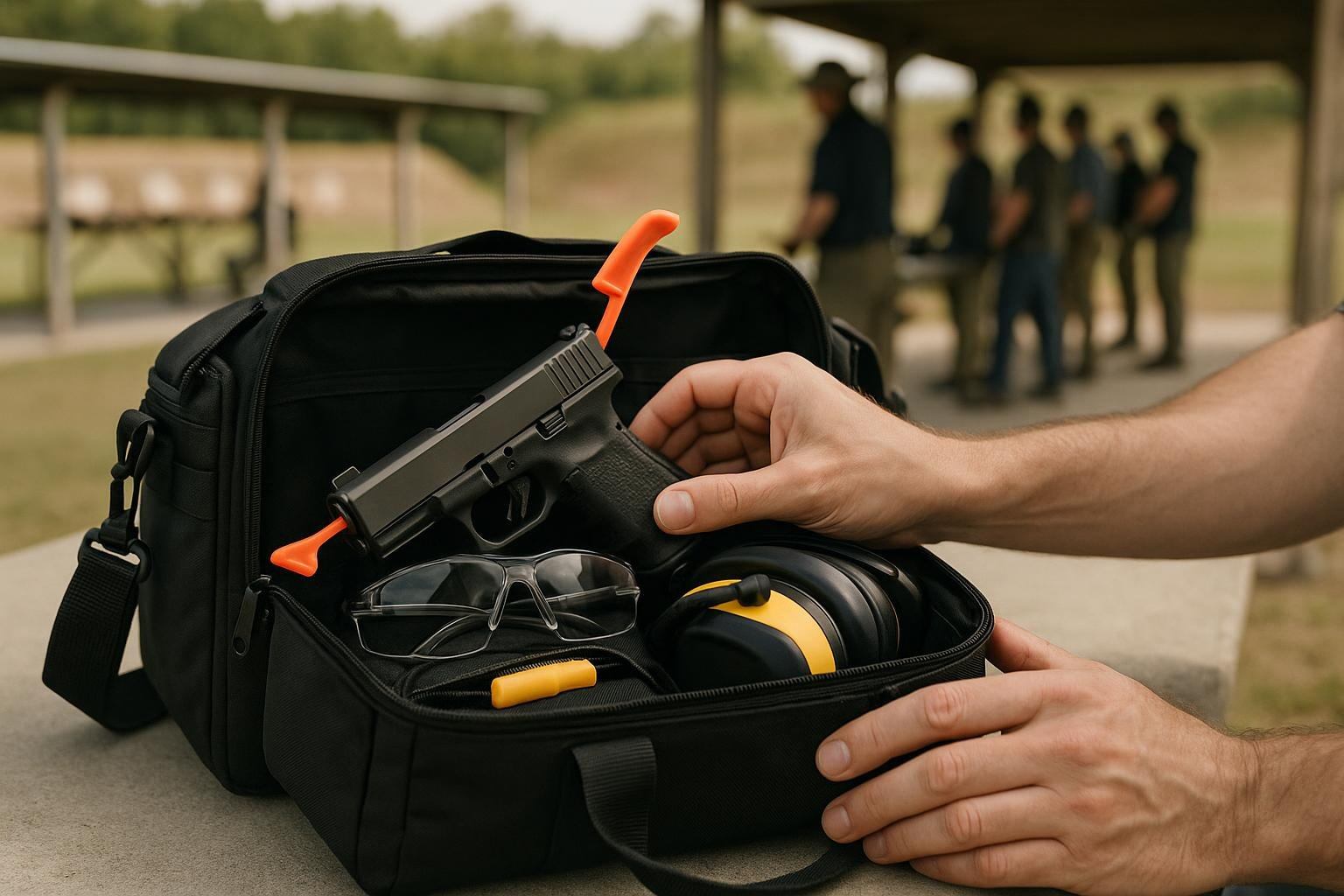
When getting ready for a day at the range the things you put in your range bag can often be ignored. It's easy to think about putting your gun and bullets in the bag but forget to check that everything needed is there. A missing item, like a chamber flag or a good pair of ear protection can cause problems during your time at the range. Making a routine before going to the range helps calm nerves for people who're new or have been there before. It also makes sure that safety is the focus.
Start by checking the things you plan to use. Before putting your gun in the bag make sure it is empty. It's important to follow the rules in your area and the rules of the club when you carry guns. These rules often say how you should keep your gun away from your bullets. It might feel like something you know. Not doing this step can be dangerous.
Next think about the things that help you practice safely. This should include protection for your eyes and ears the kind of bullets for your gun and any targets that are allowed at the place. Try to carry what is needed. If you have less to carry it's easier to organize your bag. This helps you find what you need and makes it less likely to forget something
If you have something like a sight or different kind of magazine mark it to ask about instead of using it without knowing. Learning about your equipment before you go to the range is part of training. Learning about guns comes from knowing your tools as from using them.
When you get to the range take a breath before starting. Don't rush to take everything out. Take a moment to look around. See what others are doing what the rules are and what is being said. Understanding how the range works helps you more than rushing to start shooting. It helps you get used to the place and avoid mistakes that could trouble others.
Remember that the rules can be different at each place and might change. Always follow the signs and what the people in charge say. If something is not clear ask for help. This is not a sign of not knowing. A way to keep everyone safe.
Check quickly if the range is clear to use guns. Make sure the front of your gun is pointing in a direction the gun is open when it needs to be and the area behind the line is clear. If anything feels unsure take the time to make sure before continuing.
Knowing what you need to practice is important. If you find it hard to do the basics think about getting some help from a person. Learning the commands and handling the gun can be better than trying to fix problems. Practice without understanding can sometimes make things worse of helping.
When you start using things focus on safety and simple steps. Use the bullets that are meant for your gun and start with the setup. If something feels wrong stop the session of trying to fix it on the spot. Sticking to rules and asking for help when you are not sure can prevent problems later.
Training is not about learning skills but about working with others. Look for people who can explain the reasons for the rules and encourage questions. A good place to train is one where people're open to asking questions and learning without making others feel bad when they correct them.
Making a list the night can help you get ready faster. Make sure to include these things:
– Make sure the gun is empty and safe to carry.
– Get the bullets that follow the rules.
– Get the right eye and ear protection.
– Bring any targets and things that are allowed for what you plan to do.
– Make sure things like chamber indicators are there.
– Learn the commands. When to stop shooting.
– Write down a question you want to ask.
– Decide when to stop: if you are not sure about something be ready to take a break and ask for help.
Even though the last two things might seem unimportant having a question written down keeps your time focused especially when its busy. Knowing when to take a break or ask for help can stop problems from becoming ones.
It's important to know the rules about guns in your area and the rules at the range. These should not come from what people say or old talks. Always check the rules for your place before you take your gun. This includes state rules, how to carry the gun and any limits on bullets or shooting.
It's an idea to check these rules especially if you have moved changed your equipment or it has been a while since your last time at the range. Keep track of where you got the information and when. Laws can change. If you have a question ask the people instead of relying on what others say.
In the end your goal is clear: arrive with knowledge of what you can bring what you are allowed to do and who to ask when you are not sure. This preparation makes your time better for everyone. Helps build a place where people care about being careful and talking nicely just like it should be, at any place where people shoot.