Physical Address
304 North Cardinal St.
Dorchester Center, MA 02124
Physical Address
304 North Cardinal St.
Dorchester Center, MA 02124

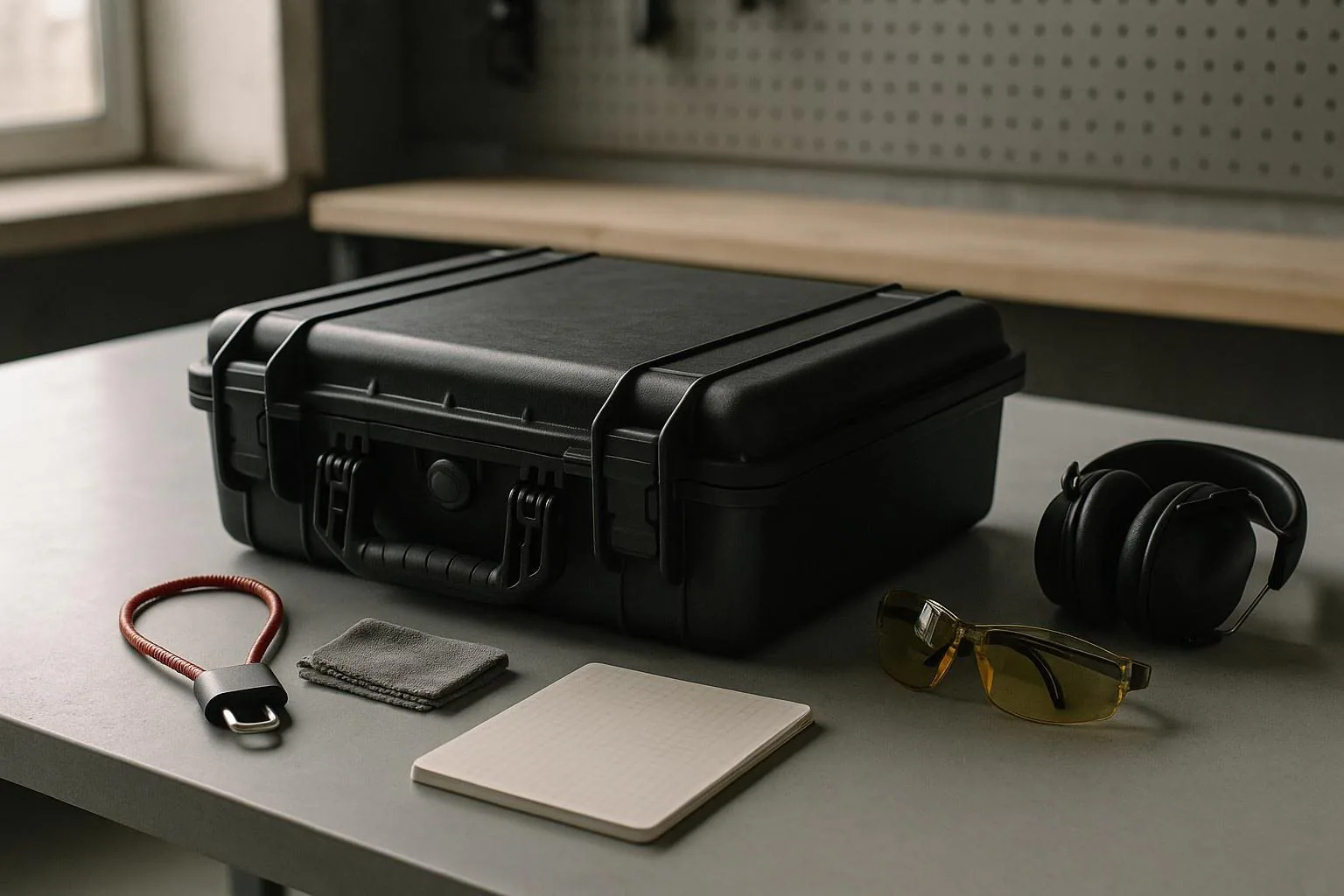
The overlooked part of joining a shooting club is not buying equipment or choosing a target. It is learning the club's operating rhythm before arriving: where orientation begins, how commands are given, what equipment is acceptable, and whom to ask when a rule is unclear. Preparation helps new members avoid preventable mistakes and gives experienced shooters a better way to support them. A welcoming range depends on predictable conduct, patient instruction, and attention to details that may change with local conditions or updated policy.
A rifle club orientation should answer practical questions, not simply confirm attendance. Find out how the range is opened and closed, where people wait, how firearms are transported between areas, and which commands require an immediate response. Ask whether a new participant must be observed before using a particular bay or firing position.
Listen for the club's vocabulary. Terms such as "cease fire," "range cold," and "range hot" need one clear meaning for everyone. If you do not understand a command, stop and ask before handling equipment. A brief question is safer than guessing, especially when several people are moving through the same space.
Orientation is also a useful test of fit. Staff and members do not need to be formal or chatty, but they should explain procedures without treating basic questions as an inconvenience. A club that supports careful learning is easier to join over time.
Shooting range safety is less about memorizing a long warning list than repeating the same checks every time. Keep the muzzle directed toward the safe downrange area, keep your trigger finger outside the trigger guard until ready to fire, and follow the range officer's instructions without anticipating them. Treat eye and hearing protection as routine equipment, not optional accessories.
A safe session includes the moments before and after firing. Confirm that the firearm is unloaded when required by range procedure. Keep ammunition separate from any handling or storage practice the club prohibits. When someone calls a cease fire, stop immediately, make the firearm safe as directed, and step back from the firing line if that is the local procedure.
Watch the people around you. A new shooter focused on loading, stance, or sight alignment may miss a command. Correct problems calmly and alert the appropriate range officer when needed. Do not reach across another person's position or handle another person's firearm without clear permission.
Firearm training is most useful when it addresses a specific need. Someone unfamiliar with basic handling may need an introductory class before practicing independently. A person who understands safe handling but struggles with consistency may benefit from coaching on sight alignment, trigger control, body position, or a simple practice plan.
Ask prospective instructors what the session covers, what equipment is expected, and how they manage different experience levels. Be cautious of teaching that relies on pressure, bravado, or safety shortcuts. Good instruction makes a process clearer and easier to repeat rather than rushing a student into a more advanced setting.
Training does not end when class does. Write down one or two corrections and work only on those points during the next visit. Too many goals can turn practice into scattered adjustments. If a technique feels uncomfortable or creates uncertainty about safe handling, pause and seek qualified guidance rather than forcing through it.
Local shooting rules can come from the club's range procedures, property restrictions, municipal or county requirements, state law, and federal law. They may change, and a friend's summary, old handout, or social media post may be outdated. Check current club materials and official government guidance before making decisions about transport, storage, ammunition, access, or permitted equipment.
This is especially important for visitors and members bringing a different firearm or attending another range. Ask whether the planned activity is allowed there and whether additional supervision, qualification, or equipment rules apply. Do not assume a familiar routine transfers from one facility to another.
If the answer affects safety, access, or legal compliance, verify it from the current source. When club instructions and outside assumptions conflict, stop and ask the designated club contact or range officer for clarification before proceeding.
Regular target practice works best when it is modest, deliberate, and repeatable. Choose one purpose for each visit: safe setup, steady fundamentals, sight confirmation, or learning to record results. A shorter session focused on form can be more useful than an extended visit driven by fatigue or frustration.
Use a basic pre-session checklist:
– Confirm the current range schedule, access instructions, and special restrictions.
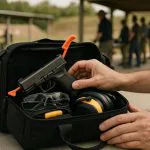
– Pack required eye and hearing protection, suitable clothing, water, and only equipment you understand how to use safely.
– Review the club's commands and cease-fire procedure before handling the firearm.
– Set one practice goal and decide what would justify stopping.
– Leave time to secure equipment, collect permitted items, and report safety concerns.
Keep notes on what changed between sessions. A simple record of the firearm used, practice goal, and one observation can reveal patterns without turning recreation into a technical project. Stop when concentration drops, equipment behaves unexpectedly, or a rule becomes unclear. There will be another opportunity to practice.
Belonging to a club is not measured by how quickly someone completes orientation or how often they speak on the firing line. It shows in dependable habits: arriving prepared, accepting correction, checking current rules, and helping preserve a calm range culture. Those habits make participation more comfortable for newcomers and more predictable for everyone sharing the facility.